
Colorful favicon for AI Quick Bytes, a futuristic AI media site.
update
AI Quick Bytes
update
  • Home
  • Categories
    • AI News
    • Open AI
    • Forbes AI
    • Copilot
    • Grok 3
    • DeepSeek
    • Claude
    • Anthropic
    • AI Stocks
    • Nvidia
    • AI Mishmash
    • Agentic AI
    • Deep Reasoning AI
    • Latest AI News
    • Trending AI News
    • AI Superfeed
February 25.2025
3 Minutes Read

As Global AI Regulations Tighten, DeepSeek Emerges as a Leader in AI Innovation

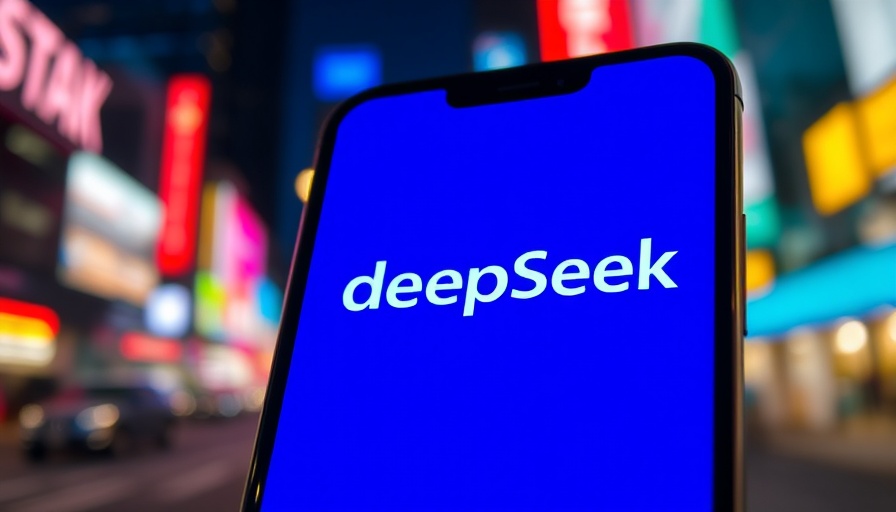
DeepSeek AI Innovations logo on smartphone with blurred cityscape.

DeepSeek's Innovation: A Response to Global AI Regulations

In the realm of artificial intelligence, the race for innovation and leadership is intensifying, particularly in light of tightening global regulations. Amidst this landscape, China's DeepSeek is making headlines with its new AI model, R2, designed to challenge the dominance of established Western competitors while capitalizing on increasing support from the Chinese government. This state-backed initiative highlights a convergence of technology, geopolitics, and innovation.

China's AI Ambitions: A Shift in Strategy

With aspirations to lead the world in artificial intelligence by 2030, China has committed substantial resources to develop technologies that can perform at par with Western innovations. DeepSeek has emerged as a key player, showcasing that powerful AI models can be developed cost-effectively. The company’s success reveals a broader trend where Chinese firms leverage accessible technology to enhance their positions in the global market. According to analysts, this could act as a catalyst, encouraging similar firms worldwide to reshape their AI development strategies.

R2: A Game-Changer in AI Development

The upcoming launch of DeepSeek’s R2 model, previously set for May, is expected to accelerate the company's growth trajectory. By enhancing coding capabilities and supporting multiple languages, R2 positions DeepSeek to outshine competitors like OpenAI that traditionally held the lead in AI innovations. Experts predict that the model's affordability—estimated to be 20 to 40 times cheaper than its Western counterparts—will force established firms to rethink their pricing structures.

The Political Landscape: Nurturing Domestic Talent

China’s government is not just a passive observer in this AI race. It actively supports startups like DeepSeek, integrating its innovative models into state-owned enterprises and local governments. This collaboration could fuel a cycle where DeepSeek’s innovations promote further investments in AI by Chinese firms, potentially narrowing the technological gap with the U.S. as restrictions on advanced semiconductors tighten. Such dynamics may compel Western companies like Nvidia to readjust their strategies, particularly in pricing to retain competitiveness against DeepSeek.

DeepSeek's Challenges: Balancing Innovation and Control

While DeepSeek's rise signifies great potential for disrupting the AI landscape, it also raises questions regarding control and censorship in China. As the Communist Party aims to steer technology towards nationalistic goals, its role in moderating the power and influence of startups like DeepSeek could become more pronounced. The tension between fostering innovation and maintaining political control remains a delicate balance for the Chinese leadership.

Future Implications: What Lies Ahead?

The upcoming months are critical for DeepSeek and the broader AI sector in China. As it aims to introduce R2 to the market, the company's trajectory will likely influence not only domestic competitors but also international sentiments about China's capabilities in AI. This could also lead to increased scrutiny of China's approach to technology on the global stage, making it imperative for stakeholders to watch how these advancements unfold. As a key player in the evolving tech landscape, DeepSeek’s actions will inevitably play a significant role in shaping the future of artificial intelligence globally.

In conclusion, as AI regulations become more stringent worldwide, the strategies adopted by emerging leaders like DeepSeek will determine not just the competitive landscape, but also the balance of technological power in the international arena. Capturing the essence of innovation, affordability, and collaboration, DeepSeek embodies the potential for a new chapter in the story of artificial intelligence.

For those keen on following the rapid advancements in AI and their implications, staying updated on DeepSeek and its competitive strategies will be essential.

AI Mishmash

5 Views

Write A Comment

*
*
Please complete the captcha to submit your comment.
Related Posts All Posts
05.23.2026

Avoiding Major Mistakes in AI-Driven E-Commerce: Insights for Brands

Update Understanding the Mistakes Brands Make with AI in E-Commerce As artificial intelligence (AI) transforms the e-commerce landscape, brands find themselves navigating uncharted waters. While AI presents immense opportunities for enhancing personalization, optimizing supply chains, and streamlining operations, it also poses significant risks that can derail efforts if not addressed. Recognizing the common pitfalls brands may encounter is crucial for leveraging AI effectively and realizing its full potential. Three Major Mistakes Brands Make in Leveraging AI Brands often fall prey to three prevalent mistakes when diving into AI-driven e-commerce. Lack of a Clear AI Strategy: One of the most critical mistakes is venturing into AI without having a well-defined strategy in place. A study indicates that only 10% of companies that experiment with AI have a mature approach aligned with their business goals. Brands should take the time to develop a comprehensive AI roadmap, focusing on areas where AI can add the most value, such as customer personalization and inventory management. Poor Data Quality: AI's success is heavily reliant on data quality. Brands often encounter issues with incomplete or biased data, leading to skewed insights that affect customer experiences. Implementing robust data governance and investing in data management tools can significantly enhance the reliability of the data used for AI applications, thus improving the outcomes of marketing strategies and customer interactions. Over-Reliance on AI: While AI can enhance efficiency, brands may overestimate its capabilities, expecting it to solve every challenge. This can lead to wasted resources and misplaced investments. A balanced approach is necessary; businesses should assess the areas where AI can have the most impact while recognizing when traditional methods are still effective. Insights from Industry Experts on AI Implementation Understanding these mistakes is just the beginning. Experts suggest analyzing the broader market environment and keeping up with current AI trends, such as the increasing focus on mass personalization and advanced customer service tools powered by AI. Retailers should also be aware of the challenges surrounding integration with legacy systems and ensure that new technological solutions can communicate effectively with existing infrastructures. Best Practices for Successful AI Integration The implementation of AI should be strategic. To do this: Create an AI Implementation Framework: Brands need a complete AI implementation strategy that includes application catalogs and risk management protocols. Focus on Data Quality: A robust framework for data preparation is essential. By ensuring that data is clean and actionable, brands can achieve better results from their AI initiatives. Involve Employees: Change management is integral to successful AI adoption. Involving employees by providing training opportunities helps in alleviating fears surrounding automation and realizing the benefits of AI. Measure Success with KPIs: Identifying key performance indicators (KPIs) will help brands assess the effectiveness of their AI initiatives. Metrics such as conversion rates, customer satisfaction levels, and inventory turnover rates should be carefully monitored. Forward-Thinking Trends in AI-Driven E-Commerce The future of AI in e-commerce is laden with opportunities. Emerging technologies like machine learning and natural language processing promise to enhance user experiences by providing personalized recommendations and chat assistance that can operate 24/7. Brands that successfully navigate these trends will be better positioned to compete in an increasingly digital marketplace. Your Next Steps in Navigating the AI Landscape As you explore the potential of AI for your brand, reflect on the insights shared here. Avoiding common pitfalls will empower your brand to emerge as an innovative leader in e-commerce. Start by developing a clear AI strategy, prioritize data quality, and find the right balance between technology and traditional approaches. By being proactive in addressing these challenges, your brand can harness AI's capabilities to not only enhance operational efficiency but also improve customer satisfaction significantly. Start your AI journey today and stay ahead in the rapidly evolving e-commerce landscape.

Terms of Service

Privacy Policy

Core Modal Title

Sorry, no results found

You Might Find These Articles Interesting

T
Please Check Your Email
We Will Be Following Up Shortly
*
*
*