
Colorful favicon for AI Quick Bytes, a futuristic AI media site.
update
AI Quick Bytes
update
  • Home
  • Categories
    • AI News
    • Open AI
    • Forbes AI
    • Copilot
    • Grok 3
    • DeepSeek
    • Claude
    • Anthropic
    • AI Stocks
    • Nvidia
    • AI Mishmash
    • Agentic AI
    • Deep Reasoning AI
    • Latest AI News
    • Trending AI News
    • AI Superfeed
March 11.2025
3 Minutes Read

Experience the Future: How Gemini AI is Transforming Google Calendar for Users

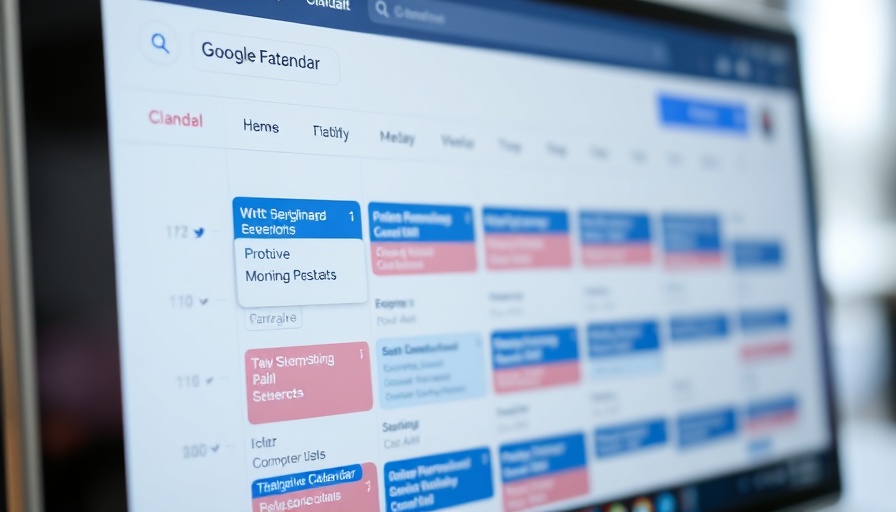
Digital Google Calendar with Gemini AI integration for event scheduling.

The Future of Scheduling with AI: Gemini's Arrival

As productivity demands soar in our fast-paced world, Google’s Gemini AI integration into Google Calendar offers a glimpse into how technology can alleviate our scheduling burdens. The promise is simple yet powerful: quickly access event information, create events on the fly, and manage your calendar with a few spoken words. This development is particularly appealing to tech enthusiasts and AI lovers keen to leverage artificial intelligence to enhance their daily lives.

Gemini AI: Your New Assistant

The Gemini AI feature is designed to simplify how you interact with Google Calendar. By using natural language prompts, you can say, “What’s on my schedule for tomorrow?” or “Add my dentist appointment at 2 p.m. on Friday,” making it feel like you’re conversing rather than typing endlessly. Not only does this streamline the scheduling process, but it may also make managing complex calendars more intuitive for everyone from busy professionals to students juggling classes and extracurriculars.

How to Get Started with Gemini

Currently, this new functionality is available through Google Workspace Labs, meaning it’s still in a testing phase. Users interested in utilizing Gemini in their Calendar must first enroll in Google Workspace Labs. Once set up, the 'Ask Gemini' button provides direct access to AI-assisted scheduling, creating a user-friendly experience that invites experimentation.

Caveats: What to Keep in Mind

While Gemini is adept at adding events based on your commands, it comes with limitations. For instance, users must still send invitations manually, and the AI is presently only supported in the web version of Calendar. It does not extend to mobile apps yet, which may disappoint those accustomed to managing their calendars on the go. Furthermore, an ongoing concern with AI is the reliability of its output; the possibility of miscommunication exists if the AI misinterprets your requests.

A User Experience: Testing Gemini

Testers have reported mixed results. While many praise Gemini's ability to quickly locate and manage appointments, some users have encountered hiccups, such as missing details or errors in recognized events. The AI can perform simple tasks efficiently, but complexities in scheduling may still require human oversight. As a result, it’s crucial for users to remain involved rather than completely relying on automated services.

The Broader Implications of AI in Daily Life

This integration of Gemini into Google Calendar marks a significant milestone in the ongoing dialogue about the role of AI in our daily routines. As automation becomes increasingly popular, it opens up discussions about efficiency versus accuracy. How much trust should we place in AI to manage aspects of our lives? These questions are essential as we navigate the expanding capabilities of AI technology.

Looking Ahead: The Future of AI in Calendar Applications

With the launch of features like Gemini, the future of scheduling may see deeper AI integration. We may soon witness refined automated invitations based on mutual availability, cutting down the back-and-forth typically involved in planning. This shift could redefine how we approach event planning, making it an even more seamless experience.

Final Thoughts: Embracing AI Innovations

Gemini is just the tip of the iceberg in how AI can potentially revolutionize daily tasks. For AI enthusiasts, actively participating in early access programs like Google Workspace Labs offers a front-row seat to technological evolution. As these features roll out and improve, they will offer insights into how we can adapt and make the most out of AI-driven tools.

Stay informed about the latest advancements in the AI realm by subscribing to relevant newsletters and tech bulletins. Engaging with these tools can open new opportunities to enhance productivity and learning in our day-to-day lives.

AI Mishmash

9 Views

Write A Comment

*
*
Please complete the captcha to submit your comment.
Related Posts All Posts
05.23.2026

Avoiding Major Mistakes in AI-Driven E-Commerce: Insights for Brands

Update Understanding the Mistakes Brands Make with AI in E-Commerce As artificial intelligence (AI) transforms the e-commerce landscape, brands find themselves navigating uncharted waters. While AI presents immense opportunities for enhancing personalization, optimizing supply chains, and streamlining operations, it also poses significant risks that can derail efforts if not addressed. Recognizing the common pitfalls brands may encounter is crucial for leveraging AI effectively and realizing its full potential. Three Major Mistakes Brands Make in Leveraging AI Brands often fall prey to three prevalent mistakes when diving into AI-driven e-commerce. Lack of a Clear AI Strategy: One of the most critical mistakes is venturing into AI without having a well-defined strategy in place. A study indicates that only 10% of companies that experiment with AI have a mature approach aligned with their business goals. Brands should take the time to develop a comprehensive AI roadmap, focusing on areas where AI can add the most value, such as customer personalization and inventory management. Poor Data Quality: AI's success is heavily reliant on data quality. Brands often encounter issues with incomplete or biased data, leading to skewed insights that affect customer experiences. Implementing robust data governance and investing in data management tools can significantly enhance the reliability of the data used for AI applications, thus improving the outcomes of marketing strategies and customer interactions. Over-Reliance on AI: While AI can enhance efficiency, brands may overestimate its capabilities, expecting it to solve every challenge. This can lead to wasted resources and misplaced investments. A balanced approach is necessary; businesses should assess the areas where AI can have the most impact while recognizing when traditional methods are still effective. Insights from Industry Experts on AI Implementation Understanding these mistakes is just the beginning. Experts suggest analyzing the broader market environment and keeping up with current AI trends, such as the increasing focus on mass personalization and advanced customer service tools powered by AI. Retailers should also be aware of the challenges surrounding integration with legacy systems and ensure that new technological solutions can communicate effectively with existing infrastructures. Best Practices for Successful AI Integration The implementation of AI should be strategic. To do this: Create an AI Implementation Framework: Brands need a complete AI implementation strategy that includes application catalogs and risk management protocols. Focus on Data Quality: A robust framework for data preparation is essential. By ensuring that data is clean and actionable, brands can achieve better results from their AI initiatives. Involve Employees: Change management is integral to successful AI adoption. Involving employees by providing training opportunities helps in alleviating fears surrounding automation and realizing the benefits of AI. Measure Success with KPIs: Identifying key performance indicators (KPIs) will help brands assess the effectiveness of their AI initiatives. Metrics such as conversion rates, customer satisfaction levels, and inventory turnover rates should be carefully monitored. Forward-Thinking Trends in AI-Driven E-Commerce The future of AI in e-commerce is laden with opportunities. Emerging technologies like machine learning and natural language processing promise to enhance user experiences by providing personalized recommendations and chat assistance that can operate 24/7. Brands that successfully navigate these trends will be better positioned to compete in an increasingly digital marketplace. Your Next Steps in Navigating the AI Landscape As you explore the potential of AI for your brand, reflect on the insights shared here. Avoiding common pitfalls will empower your brand to emerge as an innovative leader in e-commerce. Start by developing a clear AI strategy, prioritize data quality, and find the right balance between technology and traditional approaches. By being proactive in addressing these challenges, your brand can harness AI's capabilities to not only enhance operational efficiency but also improve customer satisfaction significantly. Start your AI journey today and stay ahead in the rapidly evolving e-commerce landscape.

05.23.2026

Discover How Sensory AI is Revolutionizing Our Interaction with Technology

Update Transforming AI: The Role of Human Senses As artificial intelligence (AI) technology advances, the concept of integrating human senses into these systems is gaining traction. Sensory AI, which aims to mimic human-like perception, offers exciting possibilities. Imagine machines that could see, hear, and even feel, enhancing their ability to interpret and interact within their environments. This evolution would not only make AI more adaptable but also potentially revolutionize applications across various sectors, from healthcare to entertainment. Bridging the Gap: How Sensory Technology Works Sensory AI leverages a combination of advanced algorithms, machine learning, and sensor technologies. For instance, visual and auditory recognition systems utilize deep learning models that analyze vast amounts of data from images and sounds. By processing these inputs, AIs can make informed decisions, similar to human responses. Other approaches might include tactile sensors that allow machines to 'feel' object textures, further bridging the gap between human and machine capabilities. Real-World Applications: From Healthcare to Gaming The impact of sensory AI can be broad and varied. In healthcare, for example, such systems have the potential to enhance diagnostics by combining imaging AI with tactile feedback, helping practitioners make quick, accurate assessments. Moreover, in the gaming industry, sensory AI could redefine user experiences by providing more immersive environments that respond to player actions and emotions, creating a deeper connection with the content. Future Potential: What Experts Are Saying Experts predict that AI with enhanced sensory capabilities can lead to breakthroughs in how we interact with machines. For example, companies like Microsoft are actively exploring how sensory integration could improve their AI Copilot tool, making it even more adept at understanding user needs. Additionally, research from organizations like Anthropic indicates that expanding AI's sensory repertoire can significantly enhance its utility, causing a ripple effect across the market. Challenges and Considerations: Addressing Ethical Implications While the possibilities of sensory AI are tantalizing, they also come with ethical considerations. There are concerns about data privacy, particularly with systems that rely on constant sensory input. Furthermore, the question of AI decision-making autonomy arises, challenging us to ponder what it means for machines to have sense-like capabilities. As we push forward, maintaining a balance between innovation and ethical standards will be critical. Empowering AI: Why Engagement Matters For AI enthusiasts, understanding the development of sensory technologies can deepen appreciation for the field. These advancements provide insights into how AI can evolve to be not just a tool, but a companion capable of nuanced understanding. Engaging with these concepts can inspire further exploration and innovation, encouraging AI lovers to consider the future possibilities that sensory machine learning can unlock. In conclusion, as AI technology continues to mature, the incorporation of human-like senses stands to reshape our interactions with machines in fundamental ways. For AI lovers and tech enthusiasts alike, following this trend will reveal new horizons in the ever-expanding universe of artificial intelligence.

05.23.2026

How AI Automation Sparks New Opportunities for Skilled Professionals

Update AI Automation: A Game Changer for Expert Workforce The conversation surrounding AI automation often revolves around the fear that machines will replace human jobs. However, a more nuanced perspective shows that AI, far from eliminating roles, is transforming them and fostering greater opportunities for expertise. As organizations integrate advanced AI systems like Microsoft's Copilot and Anthropic's Claude into their operations, the landscape of work is evolving, emphasizing the need for skilled professionals. Expanding Roles Through Automation While some may worry about job losses, the reality is that AI systems are most effective when under human supervision. For instance, tools like Copilot are designed to assist rather than replace human experts. By automating repetitive tasks, AI frees up professionals to focus on complex, strategic, and creative problem-solving, making their jobs more fulfilling and essential. Enhanced Creativity and Critical Thinking This shift allows for a richer, more engaging work environment, where the roles of human employees become more pronounced. As AI takes over mundane tasks, the demand for innovative thinking rises. We see this trend across various industries, from tech to creative fields, highlighting how AI automation enhances human capabilities rather than hindering them. Such a collaborative relationship fosters a culture of continuous learning and innovation. Labor Markets of the Future: Understanding the Shift Future labor markets will require a rethinking of how we define expertise. Roles that might have seemed simplistic are now morphing into positions that demand greater insight and training. As AI continues to evolve, so too must the skills of the workforce. Educational institutions and employers need to adapt their training programs to cultivate skills that complement AI technology. The Importance of Human Insight As AI takes on more complex tasks, such as data analysis and management, human insight becomes even more critical. The creative intuition, emotional intelligence, and ethical judgment that humans bring to the table cannot be replicated by machines. This distinction highlights the importance of collaboration between humans and AI, paving the way for a new definition of expertise that combines technological savvy with human judgment. Future Predictions: Opportunities Abound Looking forward, we can expect the emergence of roles that we cannot yet imagine. Industries will need professionals who are adept at working alongside AI, pushing boundaries, and redefining traditional job functions. As AI tools continue to evolve, those willing to adapt and reskill will find themselves at the forefront of innovation, turning challenges into opportunities. The narrative around AI automation should not dwell on fear but embrace the possibilities it presents, offering a new perspective on job evolution. For enthusiasts of AI technologies, following the latest updates from Open AI and other leading innovations becomes critical for staying ahead in this rapidly changing landscape. Exploring how AI tools can enhance creativity and problem-solving will empower you to harness these technologies in your professional journey.

Terms of Service

Privacy Policy

Core Modal Title

Sorry, no results found

You Might Find These Articles Interesting

T
Please Check Your Email
We Will Be Following Up Shortly
*
*
*