


The Ethical Landscape of AI: A Pivotal Crossroads
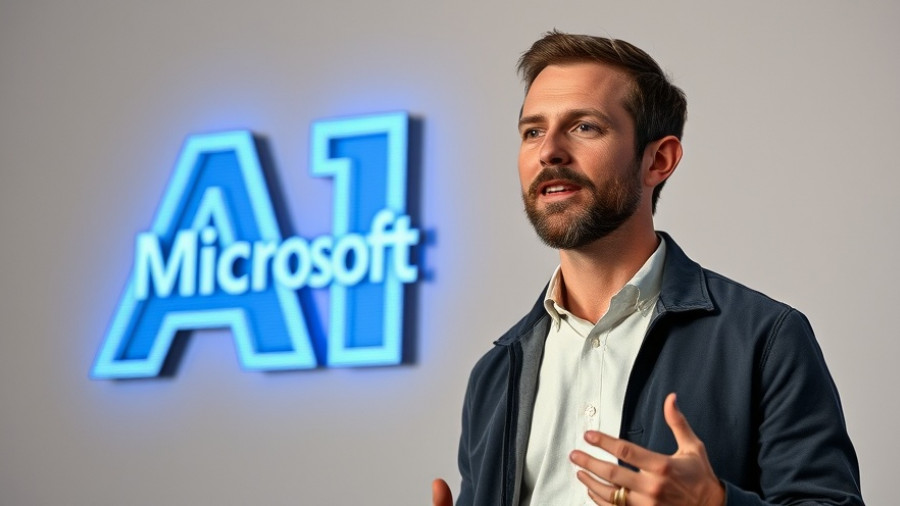
As artificial intelligence (AI) technology evolves, so do the ethical dilemmas and societal implications surrounding it. Mustafa Suleyman, Microsoft’s AI CEO and co-founder of DeepMind, recently made headlines by firmly stating, "We will never build sex robots." This statement serves as a striking reflection of Microsoft's commitment to maintaining ethical boundaries in AI development, especially in contrast to contemporaries like OpenAI, which has recently relaxed its policies on adult content for verified users in ChatGPT. In this article, we will explore the broader ethical implications of AI innovations, the roles of significant industry leaders, and the challenges ahead.
Contextualizing the AI Conversation
The proliferation of AI technologies has revolutionized many sectors, promising unparalleled efficiency and productivity. However, the lack of ethical governance in the rapid adoption of AI tools raises concerns. Suleyman’s comments reflect a more cautious approach to AI development, emphasizing the importance of responsible innovation. Generative AI has expanded from simple chatbots to multifaceted AI companions, leading to the question of how far companies should go when integrating such technologies into daily life.
Understanding the Divergent Paths: Microsoft vs. OpenAI
At the core of the contrasting trajectories taken by Microsoft and OpenAI is their respective attitudes towards the integration of AI into personal and possibly intimate spaces. OpenAI's move towards allowing adult content on ChatGPT for verified users demonstrates a willingness to explore more mature aspects of AI engagement, which could lead to both novel applications and unforeseen ethical quandaries. Conversely, Microsoft’s decision to steer clear of developing explicit AI personas underlines a philosophy rooted in a commitment to fostering healthy interactions, yet it invites critique—namely, whether this represents an outdated view of AI’s potential. This difference highlights broader industry debates about the place of AI in personal relationships and the responsibilities companies hold in this area.
Highlighting Innovation Versus Restraint
Suleyman poignantly emphasizes the need for deliberate pacing in AI development, advocating for an approach that prioritizes ethical considerations alongside technological progress. He remarked, "I think that’s a feature, not a bug," underscoring the need to examine the potential side effects and long-term consequences of deploying new AI capabilities. In line with this ethos, Microsoft has been developing tools, like Copilot, that focus on enhancing user productivity in an ethically sound manner. By embedding boundaries into their creative processes, companies can avoid crossing ethical lines while still delivering powerful technological tools.
Ethics as Infrastructure for Progress
Suleyman’s approach, rooted in the belief that ethical frameworks should be intrinsic to AI design and development, is critical for future advancements. As AI continues to expand into new territories, such as healthcare and public services, it is imperative to establish practices that ensure fairness, transparency, and accountability. These principles serve as a bulwark against misuse and help maintain public trust in these technologies.
The Road Ahead: Balancing Innovation with Ethics
The future of AI development sits at a critical juncture. Suleyman’s call for greater vigilance around potential risks serves as a reminder that with the power of AI comes significant responsibility. For both developers and consumers alike, understanding the implications of AI innovations, whether they result in enhanced productivity or the potential for misuse, is vital. Drawing parallels with historical technological advancements can provide insights into how society might navigate this evolving landscape and advocate for a future that balances innovation and ethical responsibility.
Conclusion: Engaging in Ethical Dialogue
The future of AI continues to raise profound questions about human nature and societal values. As we explore the potential and challenges of artificial intelligence, engaging in ethical dialogue will be critical to steer these technologies towards a future that promotes human flourishing. Industry leaders, like Mustafa Suleyman, can be vital in this discourse—encouraging a path where intelligent systems are designed with humanity at their core. As stakeholders in this narrative, we each have a role to play in shaping the ethical landscape of AI.


Write A Comment