
Colorful favicon for AI Quick Bytes, a futuristic AI media site.
update
AI Quick Bytes
update
  • Home
  • Categories
    • AI News
    • Open AI
    • Forbes AI
    • Copilot
    • Grok 3
    • DeepSeek
    • Claude
    • Anthropic
    • AI Stocks
    • Nvidia
    • AI Mishmash
    • Agentic AI
    • Deep Reasoning AI
    • Latest AI News
    • Trending AI News
    • AI Superfeed
March 20.2025
3 Minutes Read

Unlocking AI Potential: Should You Buy or Hold DELL Stock?

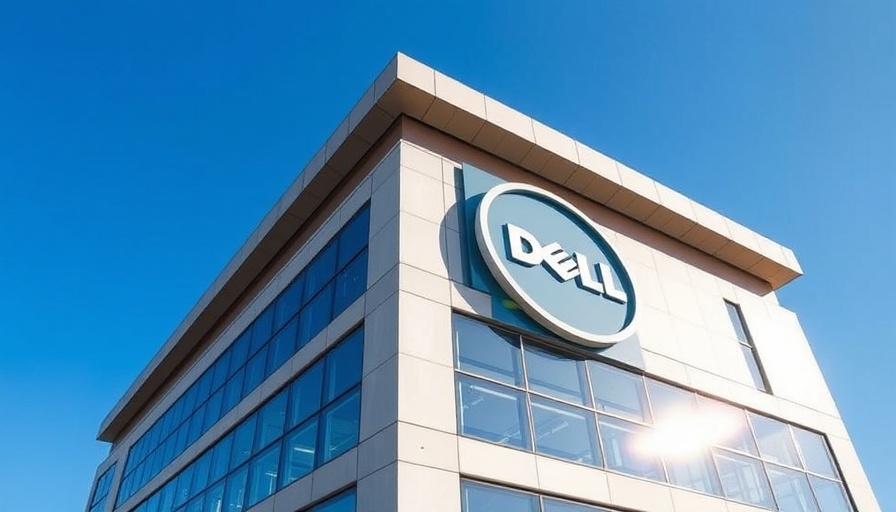
Modern Dell building exterior showcasing company logo, clear sky

DELL Unveils Innovative AI Solutions: A Game Changer?

Recently, DELL Technologies announced its expansion in the artificial intelligence (AI) sector by introducing a range of new solutions aimed at enhancing efficiency and productivity for businesses across various industries. This strategic move comes as companies increasingly rely on AI technologies to drive growth, streamline operations, and improve decision-making processes. With its rich portfolio, DELL is positioning itself not just as a hardware manufacturer but also as a player in the burgeoning AI market.

Market Response: What Analysts Are Saying

Following DELL's announcement, analysts have begun evaluating the potential impact on the company's stock performance. Some experts indicate that this could be a pivotal moment for DELL, noting that companies that successfully integrate AI into their offerings tend to see significant stock appreciation. Others are more cautious, suggesting that while AI is promising, the market is highly competitive with strong players like NVIDIA and OpenAI leading the way.

The Role of AI in Today's Business Landscape

AI technologies are transforming industries and changing how businesses operate. DELL's new AI solutions, which include advanced data analytics and machine learning capabilities, are particularly relevant for companies looking to refine their consumer engagement strategies. AI tools can help businesses predict customer preferences, optimize inventory, and personalize marketing efforts.

Diverse Perspectives: Should You Buy or Hold DELL?

As discussions about DELL’s future unfold, the question remains: Should investors buy or hold the stock? Supporters argue that DELL's investment in AI reflects its commitment to innovation, which could provide long-term benefits. Critics, however, caution that the tech landscape is volatile. This is evidenced by the rapid evolution of AI technologies and the need for DELL to consistently innovate to stay relevant.

Potential Risks and Challenges Ahead

Investing in tech companies, particularly those venturing into the AI sector, does come with inherent risks. DELL must navigate challenges such as technological advancements outpacing their innovation cycle, maintaining competitiveness against larger players, and managing the implications of regulatory changes in AI. Understanding these factors is crucial for investors evaluating their positions.

Future Insights: Trends Shaping the AI Market

Looking ahead, the AI market is set to grow exponentially. A report by Gartner predicts that AI will contribute to a $2.9 trillion growth in business value by 2024. DELL’s entry into this market could potentially position the company to capitalize on this growth. As companies adopt AI at a more aggressive pace, DELL may have significant opportunities to expand its customer base, making it an attractive option for investors looking to engage with the tech sector.

Actionable Insights: Making Informed Investment Decisions

For investors, the best approach is to stay informed about the technologies shaping the future. Evaluating DELL's AI solutions and how they stack up against existing competitors is crucial. Additionally, keeping an eye on industry trends and customer adoption rates will provide essential context for making investment decisions. It’s also advisable to diversify portfolios to mitigate the risks associated with single investments in emerging technologies.

Conclusion: The Decision is Yours

In summary, DELL's expansion into AI brings with it both significant opportunities and risks. As the company positions itself within the competitive landscape of artificial intelligence, investors must weigh these factors carefully before making any decisions. Whether you choose to buy or hold, staying informed will allow you to make choices that align with your investment goals. Take the time to delve deeper into DELL's AI advancements and broader market trends to ensure that your portfolio is aligned with the future of technology.

Latest AI News

1 Views

Write A Comment

*
*
Please complete the captcha to submit your comment.
Related Posts All Posts
05.22.2026

Can OpenAI’s ‘Master of Disaster’ Restore AI’s Reputation Crisis?

Update Understanding OpenAI’s Challenging Landscape In recent years, the rise of generative AI has sparked unprecedented advancements alongside significant trepidation regarding its implications. OpenAI, a cornerstone in the AI field, now finds itself at the crossroads of innovation and public perception. The arrival of Chris Lehane as OpenAI’s new head of Global Affairs marks a strategic pivot, aiming to restore trust in the organization as concerns about AI’s capabilities become widely discussed. The Role of Strategic Communication in AI Lehane’s appointment is not merely a corporate reshuffle; it's a calculated response to the growing skepticism about AI technologies. As ‘Master of Disaster,’ he possesses a background steeped in crisis management, having previously influenced public opinion during critical moments for companies such as Airbnb. His expertise could serve as a blueprint for OpenAI to dissect its challenges and communicate more effectively with the public. Public Perception of AI: Risks and Rewards The AI industry is grappling with a reputational crisis that has been exacerbated by both hyperbolic fears and genuine ethical concerns. People are voicing apprehensions about AI’s safety, privacy implications, and potential job displacement. To navigate this landscape, effective communication is essential. Lehane’s history suggests that he could introduce transparency, illustrating AI’s benefits while addressing legitimate concerns. The future of agentic AI depends significantly on how organizations like OpenAI choose to engage with these narratives. Looking Ahead: What Lies in Store for OpenAI? As OpenAI seeks to regain trust, the question remains: Can Lehane uphold the balance between innovation and responsibility? Historical cases indicate that companies often thrive when they address public concerns proactively. If OpenAI can successfully navigate this delicate dance, it may emerge not only as a leader in AI but also as a beacon of ethical practices—and this could have implications for all tech companies. Broader Implications for Tech: A Call for Responsibility Lehane’s approach may set a precedent for other tech firms. The trend of establishing robust communications focused on social responsibility could redefine how organizations operate. The ongoing narrative surrounding AI needs to mature and evolve, highlighting its benefits while not shying away from discussing potential risks. As the industry leverages growing awareness of ethical AI practices, a robust dialogue must ensue between developers, companies, and users. This shift in perspective encourages a more informed public, ready to engage with advancements in AI and understand their implications in society. For innovators and the companies that employ them, the responsibility of shaping the conversation around AI shouldn't be underestimated—doing so could bridge the gap between skepticism and acceptance. Conclusion: Embracing Change in AI's Perception As Lehane embarks on his journey with OpenAI, the future of AI’s public perception hangs in the balance. If he realizes his potential to communicate honestly and clearly, emphasizing both the capabilities and the ethical obligations of AI technology, it will not only reinforce the standing of OpenAI but also pave the way for healthier relationships between tech firms and society. Understanding these shifts will empower individuals and communities to engage more thoughtfully with AI innovations moving forward.

05.22.2026

Can OpenAI’s ‘Master of Disaster’ Revive AI’s Reputation Crisis?

Update The Reputation Crisis in AI: Can It Be Saved?As artificial intelligence advances, it finds itself in a precarious position. Over the years, AI has become synonymous with both innovation and fear, often viewed as a double-edged sword. Recent concerns about its being misused have given rise to a narrative that undermines its benefits. OpenAI's new hire, Chris Lehane, dubbed the "Master of Disaster," aims to mend the public's perception of AI. But what exactly is at stake in this reputation crisis?Understanding the Role of Public Relations in TechnologyThe world of technology often involves complex relationships with public perception. Chris Lehane brings a wealth of experience in public relations, previously having worked with major brands in challenging situations. His appointment raises questions about how he might navigate the complex waters of AI’s public image. Enhancing the reputation of AI technologies requires transparency, education, and more insightful communication strategies. Can Lehane harness his skills to shape a more favorable narrative around AI?The Duality of AI: Opportunity vs. RiskAI technologies, from chatbots that assist businesses to advanced algorithms powering social media, show immense potential. However, they are often clouded by fears surrounding privacy, bias, and job displacement. These challenges create a unique platform for a campaign that must illuminate the positive aspects of AI while addressing its challenges. Lehane's strategy will likely involve amplifying success stories while candidly discussing risks, which is essential in rebuilding trust.Diverse Perspectives on AIOne of the significant hurdles in changing public perception is the diversity of opinion surrounding AI. Some critics argue that the rapid advancement of AI threatens employment and security. In contrast, proponents, including tech enthusiasts and industry leaders, highlight AI's capacity to solve pressing global issues. Striking a balance between these conflicting views is crucial. Understanding the concerns and perspectives of stakeholders may allow Lehane's strategy to resonate better with the fearful public.Addressing the Knowledge GapMany people fear what they do not understand, and AI is no exception. Continuous education and outreach efforts are essential to alleviate misconceptions about AI technology. Lehane's team could implement programs to simplify technical concepts and real-world implications of AI applications. Education serves as a tool for empowerment, helping individuals grasp how AI can improve their lives. Initiatives may include workshops, webinars, and community-centric events focused on AI literacy.Future Predictions: Navigating the AI NarrativeAs we shape the narratives surrounding AI, its evolution is inevitable. An emphasis on ethical AI practices and responsible use will be paramount. Prognosticators in the field suggest that the future of AI will involve greater collaboration between technologists and the general public, leading to more tailored solutions that address societal needs. Implementing feedback mechanisms will also allow for an ongoing dialogue between AI developers and users, ensuring their concerns are considered.Conclusion: A Call for ActionUltimately, the pivotal question remains: can Chris Lehane and his team successfully revamp the image of AI? Addressing the public’s concerns while highlighting the immense possibilities of AI allows OpenAI to restore trust and confidence. The engagement strategy must be genuine, inclusive, and aimed at creating an informed community that feels empowered by technology rather than threatened by it.

05.19.2026

Discover How Google is Winning the AI Race with Gemini Enhancements

Update How Google is Leading the AI Race In the ever-evolving world of artificial intelligence, Google is not just participating but is starting to dominate the landscape with its Gemini platform. This shift from basic AI functionalities to complex, agentic systems has been profound, marking a significant evolution in AI's role in our daily lives. By the year 2026, Google's Gemini is capturing attention for its enhanced capabilities, setting it apart in a competitive market. Understanding Gemini's Capabilities: The Agentic AI Revolution At the core of Google's newest updates is the Gemini 3 Pro, an AI system designed to act as a cooperative workforce rather than just a standalone assistant. This change mirrors a broader trend where AI tools are beginning to function collaboratively, leveraging large language models (LLMs) for intricate tasks. Unlike older systems that required detailed prompts, Gemini's reasoning capabilities allow it to tackle high-level problems effectively, promoting a more human-like interaction. The transition to an agentic AI framework shifts the focus from simple outputs to a more collaborative work environment. This architecture supports multiple protocols that facilitate seamless interaction between various AI agents, enhancing their capacity to assist users across multiple sectors. The Road Ahead: Future Predictions and Opportunities Experts predict that as Google continues to refine the Gemini platform, we can expect increasingly autonomous systems—AI that can perform complex multi-step tasks with little human intervention. For instance, systems like Gemini Conductor enable teams to collaborate more effectively by streamlining communication and project management. Furthermore, contemporary integrations allow Gemini to collaborate with popular apps, like Google Maps and various productivity tools, making it a versatile assistant for businesses and individuals alike. Insights on the Competitive Landscape Google’s advancements come at a time when other tech giants, like OpenAI and Meta, are also racing to innovate in the AI space. Each company is vying to create more sophisticated AI solutions, yet Google's emphasis on combining LLM capabilities with autonomous features positions it uniquely. The integration of agentic AI elements, as seen in the Gemini ecosystem, hints that Google aims to create not just useful applications but a setting where AI operates alongside human users effectively. The Social Impact of AI Technologies As AI technology evolves, it becomes crucial for society to understand its implications. Many of us rely on AI to simplify our lives, yet the spread of advanced systems raises questions about privacy, data security, and ethical considerations in automation. Google’s approach seems to prioritize transparency and control, aiming to offer users evidence of how their data is used and allowing them to customize their AI interactions, particularly through features like Personal Intelligence and Notebooks. Unique Benefits of Engaging with New AI Technologies Understanding and leveraging advanced AI systems can transform our daily routines. Google's Gemini empowers users with tools that tailor experiences to individual needs, from image personalization to project organization. The goal is not just efficiency but enhancing user agency within these technological frameworks. As these AI capabilities automate routine tasks, they pave the way for more creative pursuits, allowing users to focus on higher-order thinking. Practical Tips for Users in Adapting to AI Innovations For individuals seeking to make the most out of new AI technologies, it’s crucial to stay informed about updates and capabilities—like those offered by Google’s Gemini. Utilize resources like the Gemini Drops Hub for the latest features and best practices. Embracing these innovations can result in improved productivity and enhance the overall quality of your digital interactions. Conclusion The AI landscape is rapidly changing, and Google appears poised to lead the charge. By focusing on intuitive, agency-enhancing systems like Gemini, Google is not only refining how we interact with technology but is also redefining its potential roles in our lives. As we move forward, engaging with these advancements thoughtfully will be integral to navigating the future of AI.

Terms of Service

Privacy Policy

Core Modal Title

Sorry, no results found

You Might Find These Articles Interesting

T
Please Check Your Email
We Will Be Following Up Shortly
*
*
*