
Colorful favicon for AI Quick Bytes, a futuristic AI media site.
update
AI Quick Bytes
update
  • Home
  • Categories
    • AI News
    • Open AI
    • Forbes AI
    • Copilot
    • Grok 3
    • DeepSeek
    • Claude
    • Anthropic
    • AI Stocks
    • Nvidia
    • AI Mishmash
    • Agentic AI
    • Deep Reasoning AI
    • Latest AI News
    • Trending AI News
    • AI Superfeed
March 08.2025
3 Minutes Read

AI Agents vs Traditional Models: The Future of Autonomous Systems

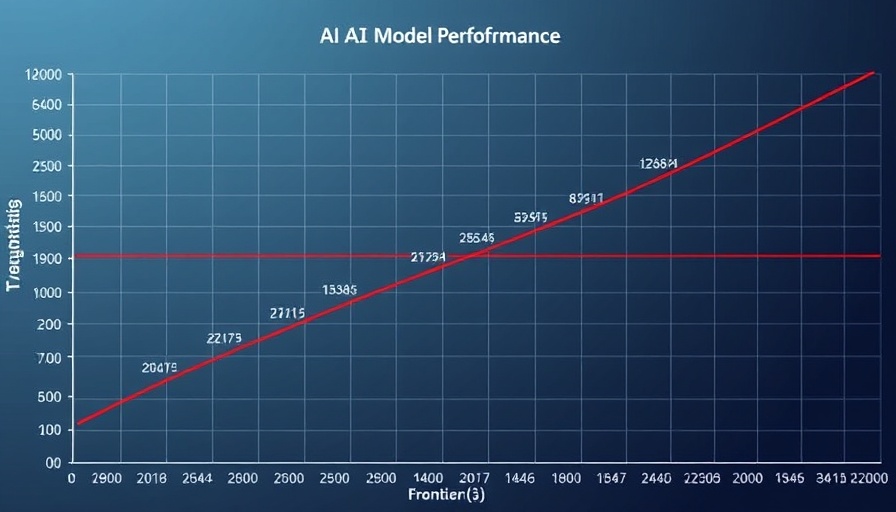
Agentic AI performance graph with Pareto frontier.

Understanding the Rise of AI Agents: How They Differ from Traditional Systems

The advancement of artificial intelligence (AI) has led to a significant evolution in automated systems, with the emergence of AI agents marking a pivotal shift from traditional AI models. Unlike conventional systems that merely process information and generate outputs, AI agents are designed to think, learn, and act independently. This article dissects the core distinctions and transformative implications of AI agents compared to traditional AI systems.

From Passive Responders to Proactive Thinkers

Traditional AI operates through a straightforward input-output mechanism. For instance, if a user prompts a traditional AI to suggest travel destinations, it retrieves data from its training and provides a list. However, the user remains responsible for executing any plans. In contrast, AI agents not only generate suggestions but can also autonomously plan entire trips by booking flights and accommodations. They leverage real-time data to perform tasks that save users significant time.

The Capabilities Behind AI Agents: Switching Gears in Efficiency

AI agents are characterized by their autonomous decision-making, adaptability, and complex problem-solving capabilities. They outperform traditional AI in several key areas:

  • Real-Time Adaptability: AI agents continuously learn from interactions, refining their actions based on previous outcomes. This flexibility enables them to handle dynamic changes efficiently.
  • Integration with External Systems: Equipped to connect with various tools and databases, these agents can access and utilize external information seamlessly, enhancing operational efficiency.
  • Complex Problem-Solving: AI agents tackle multi-faceted challenges by analyzing vast datasets before making informed decisions autonomously, surpassing traditional systems, which often lack this adaptability.

Destination Automation: Real-World Applications of AI Agents

Across different sectors, AI agents are reshaping processes. In healthcare, for example, AI agents utilize predictive analytics to identify patient outcomes, allowing for personalized treatments. In finance, they are employed to monitor real-time transactions for fraud detection and perform algorithmic trading based on current market conditions.

The Challenges and Future of Autonomous Systems

Despite their advantages, challenges loom on the path toward full-scale implementation of AI agents:

  • Data Quality: The efficacy of AI agents hinges on high-quality data. Poor-quality datasets result in inaccuracies and bias, necessitating robust data management practices.
  • Ethical Concerns: As AI agents take on more decision-making roles, issues surrounding data privacy and job displacement raise critical ethical discussions. The push for transparent and fair systems has never been more vital.

Nonetheless, the horizon is bright. Advancements in machine learning and the development of customizable frameworks like AutoGPT and BabyAGI signify a promising future. By early 2024, we may witness a surge of widely-used AI companions, evolving the dynamics of how humans and technology interact.

Transforming the Paradigms of Functionality

The conversation is shifting toward recognizing AI agents as essential components of everyday processes. By incorporating adaptive learning and autonomous decision-making capabilities, they are expected to change the way sectors operate. Business automation, customer service enhancements, and innovative solutions to complex tasks reflect a vast potential for efficiency improvements.

As we venture into an AI-centric future, understanding the distinctions between AI agents and traditional models is crucial for both companies and individuals. Engaging with AI agents prepares us for a world where not only do machines think, but they also take initiative and drive progress.

To harness the full potential of AI agents, organizations are encouraged to invest in system integration and refinement. Those who adapt while prioritizing ethical standards will likely lead the technological revolution and bridge to a more efficient, automated future.

Agentic AI

1 Views

Write A Comment

*
*
Please complete the captcha to submit your comment.
Related Posts All Posts
05.23.2026

The Rise of Agentic AI: Why Bots Outperform Humans in Workplaces

Update AI Bots: A New Workforce Revolution Venture capitalist Marc Andreessen recently shared his vision for an AI-driven future on the Joe Rogan Experience podcast. He championed the benefits of AI coding agents, emphasizing that they revolutionize workplaces by performing tasks without the emotional burdens faced by their human counterparts. The implications of this shift are monumental, signaling a transition toward a workforce where robots handle the bulk of the work. The Advantages of Agentic AI Andreessen described the advantages of AI bots clearly, quirky as it may appear. These digital workers, he pointed out, never tire or get frustrated, nor do they exhibit any of the emotional reactions typical in human work environments. This level of efficiency, where multiple bots can operate simultaneously, enables a single user to maintain oversight over dozens of automated agents while requiring minimal input every few minutes. As a result, software development can happen continuously, with rapid feedback loops that keep projects moving forward without the usual human hiccups. Real-World Implications: Coding and Beyond The practical applications of AI agents in coding are already observable in Silicon Valley, where developers can now assign multiple tasks to bots, extracting the same level of output and creativity one might expect from the frontend of the best engineers. However, Andreessen asserted that this trend would extend beyond programming. He foresees that writers, lawyers, and even medical professionals will incorporate AI into their workflows, fundamentally altering the structure of many industries. With AI becoming ubiquitous across professions, workers will need to adapt to a world where their digital counterparts take on growing responsibilities. Building a Hierarchical AI Structure Further enriching his vision, Andreessen proposed a future filled with hierarchical structures of AI agents. Imagine an environment where each primary AI bot manages its own set of sub-agents, creating an intricate web of agents working collectively to achieve complex outcomes. This mirrors traditional human management structures but adds a layer of efficiency that could optimize productivity in various sectors. In less than a year, this arrangement may become commonplace, giving rise to a scenario where fewer humans effortlessly direct enormous swaths of autonomous workers. Diverse Perspectives on AI Workforce Integration While Andreessen's enthusiasm for AI is contagious, it is accompanied by serious questions about job displacement, ethical considerations, and the need for regulations governing AI’s integration into the workplace. The sentiment expressed by Nvidia CEO Jensen Huang complements Andreessen’s outlook, asserting that billions of AI agents will populate our professional landscapes, acting similarly to personal computers today. As we approach this revolutionary shift, society must grapple with the ramifications—ensuring preparedness for the ensuing transformation. Charting the Future with AI The rapid advancement of AI technologies like OpenAI's Codex and Anthropic's Claude Code underscores the urgency with which industries should prepare for this AI-infused future. Educators, policymakers, and industry leaders must engage in dialogues about workforce resiliency in an agentic AI landscape. As these discussions unfold, understanding the transformative power of AI will be crucial for both navigating and shaping the transition. In conclusion, while Marc Andreessen's excitement for AI agents illuminates a compelling future brimming with possibilities, it simultaneously compels us to consider the necessary adaptations our society must embrace. Equipping ourselves to handle a workforce where AI becomes integral is not just an opportunity—it’s an imminent reality. As we stand on the cusp of this change, embracing the rise of AI bots could redefine our engagements in work, paving the way for innovative breakthroughs. To stay informed on advancements in AI, consider subscribing to our daily digests that deliver crucial updates straight to your inbox.

05.23.2026

Unlocking Enterprise Efficiency: The Rise of Context-Aware AI Agents

Update Revolutionizing Enterprise Efficiency: A Dive into Context-Aware AI Agents The realm of artificial intelligence is continually evolving, with context-aware AI agents stepping into the spotlight as game-changers for enterprise systems. Recently, Tribal raised $10 million in seed funding to advance these sophisticated AI agents capable of understanding and acting upon various organizational contexts. This innovation comes at a crucial time when businesses aim to enhance productivity and decision-making efficiency, particularly as many companies are grappling with the integration of AI into everyday operations. Why Context Matters for AI Agents One of the critical insights from the research community is the overwhelming reliance of AI agents on context. For instance, a recent study noted that over 40% of agentic AI projects are predicted to be canceled by 2027 primarily due to insufficient structured context. The very essence of context-aware agents lies in their ability to leverage metadata—be it behavioral, operational, structural, or temporal—to make informed decisions that reflect the organization's specific needs. In simpler terms, context-aware AI agents don’t just operate based on programmed prompts; they dynamically access rich layers of metadata that guide their actions. This structured approach contrasts starkly with traditional AI systems, which often flounder due to the absence of this context. When these agents are equipped with comprehensive context, organizations can expect reduced costs and time in production deployment and enhanced ROI on AI initiatives. Success Stories: The Impact of Context-Aware AI Agents The transformative potential of context-aware agents is not just theoretical; real-world examples are emerging that showcase their impact. Companies integrating agents like Claude Code with essential enterprise tools have noted a seismic shift in their workflows. For instance, employees can prompt agents to fetch real-time data from multiple platforms, significantly reducing the manual context-gathering phase that often consumes valuable time. Such advances have proven indispensable in environments where information overload can overwhelm human employees. By allowing agents to interact with tools like Gmail and Jira autonomously, organizations are not only streamlining their operations but also unlocking a new level of efficiency. Critical Considerations for Adoption Despite the promise of context-aware AI agents, challenges persist regarding their implementation. The design and management of these agents necessitate a robust framework to ensure that they can effectively interpret and act on context. Companies must prioritize security and governance, ensuring that sensitive data is adequately protected while maintaining agent efficacy. This includes utilizing protocols like the Model Context Protocol (MCP), which standardizes how agents interact with context sources. This standardization minimizes integration complexity and helps establish trust in agent outputs, which is essential for any enterprise system. Future Predictions for Context-Aware AI Agents As the technology matures, the trajectory for context-aware AI agents appears promising. Experts predict that as organizations become more attuned to the benefits of context-based models, the adoption of such technologies will proliferate. In the coming years, we could see a paradigm shift from merely utilizing agents for task automation to developing sophisticated systems that can reason, learn, and adapt over time based on accumulated context. This evolution could redefine how organizations approach AI, moving from basic task execution to intelligent systems capable of driving strategic value across departments. Conclusion: Embracing Context-Aware AI for Tomorrow’s Challenges The influx of funding into companies like Tribal signals a clear demand for more integrated and capable AI solutions. As enterprises look to harness the power of AI, prioritizing the context will be crucial. By understanding and implementing context-aware AI agents, businesses can not only stay ahead in the technology curve but also foster a culture of innovation and efficiency that meets the demands of today’s dynamic market. In a landscape brimming with AI tools vying for attention, focusing on the right agentic systems that offer genuine integration with existing infrastructures could catapult organizations into the future. With strategic planning and the appropriate governance in place, context-aware AI is set to revolutionize enterprise operations.

05.23.2026

How Agentic AI is Transforming Search and User Experience Online

Update The Dawn of Agentic AI: Redefining How We Search The digital landscape is undergoing a remarkable shift with the emergence of agentic AI, a technology set to redefine how we approach online searches and interactions. Unlike traditional AI models, which provide information passively, these new AI agents have the capability to execute complex tasks independently. Imagine a digital assistant that not only answers your queries but also takes actionable steps on your behalf—similar to personal assistants in a science fiction narrative. This shift is leading us toward a future where AI could transform search engines into proactive decision-makers. Understanding AI Agents and Their Operations AI agents are software designed to perform tasks autonomously. Using algorithms and machine learning models, they mimic human behavior when handling tasks such as data analysis and customer service interactions. For instance, platforms like Reddit are experimenting with AI agents to enrich their search functionalities. By summarizing community conversations and personalizing user experiences, they aim to enhance how users interact with the content available on their platform. AI Agents: Shaping Modern Business Operations Across various industries, businesses are rapidly integrating AI agents into their operations to improve efficiency and effectiveness. These agents automate repetitive tasks and process information in real-time, significantly reducing human error. According to recent insights, firms leveraging AI capabilities witness notable improvements in customer interactions, with platforms like Gleap reporting that AI automates up to 80% of customer inquiries. The Impact on Search Behavior: A New Era for Consumers The rise of agentic AI is fundamentally reshaping consumer search behavior. Future scenarios suggest that users might rely heavily on AI to navigate the digital space for them—asking a query and trusting the AI to provide curated, accurate results. As this technology becomes more mainstream, it’s likely that fewer consumers will visit multiple websites, as AI will act as a gatekeeper presenting only the best options tailored to individual needs. This shift emphasizes the importance of content quality as businesses compete to be considered trusted sources by AI. Challenges and Adaptations for Brands in an AI-dominated Landscape Businesses must adapt their strategies to thrive in an AI-centric environment. SEO strategies will need to evolve; merely ranking for keywords may not suffice anymore. Brands will have to optimize their websites for AI consumption, ensuring that technical aspects like metadata and load times meet AI expectations. Moreover, content should be structured around broader topics that provide value to AI agents, thus allowing for deeper engagement and enhanced relevance in search results. Preparing for the Future: Key Strategies for Success As agentic AI becomes a staple in search functionality, organizations should align their marketing strategies accordingly. This involves prioritizing transparency, reliability, and clarity in interactions with users. To strengthen brand affinity, businesses might focus on crafting emotional connections that resonate with consumers. The implications are clear; investing in AI technology and the quality of both technical and content strategies is no longer optional—it’s essential. Looking Ahead: Should We Embrace the Digital Transformation? The potential applications of agentic AI are vast and often mesmerizing. As we stand on the precipice of this new era, the challenge will be balancing technology's efficiencies with the human element of creativity and connection. As we explore this transition, the question remains: are we ready to welcome AI as a collaborator in our online experiences, reshaping how we search, learn, and interact in the digital realm? Now is the time to embrace the transformative power of AI. By staying informed and adapting our approaches, we can leverage these technologies to unlock unprecedented opportunities in business and beyond. The future of search is agile and intelligent—will you be part of it?

Terms of Service

Privacy Policy

Core Modal Title

Sorry, no results found

You Might Find These Articles Interesting

T
Please Check Your Email
We Will Be Following Up Shortly
*
*
*