
Add Row
Add Element
Colorful favicon for AI Quick Bytes, a futuristic AI media site.
update
AI Quick Bytes
update
Add Element
  • Home
  • Categories
    • AI News
    • Open AI
    • Forbes AI
    • Copilot
    • Grok 3
    • DeepSeek
    • Claude
    • Anthropic
    • AI Stocks
    • Nvidia
    • AI Mishmash
    • Agentic AI
    • Deep Reasoning AI
    • Latest AI News
    • Trending AI News
    • AI Superfeed
October 10.2025
3 Minutes Read

Discover How NVIDIA's Open-Source vGPU Support Can Revolutionize AI Workflows

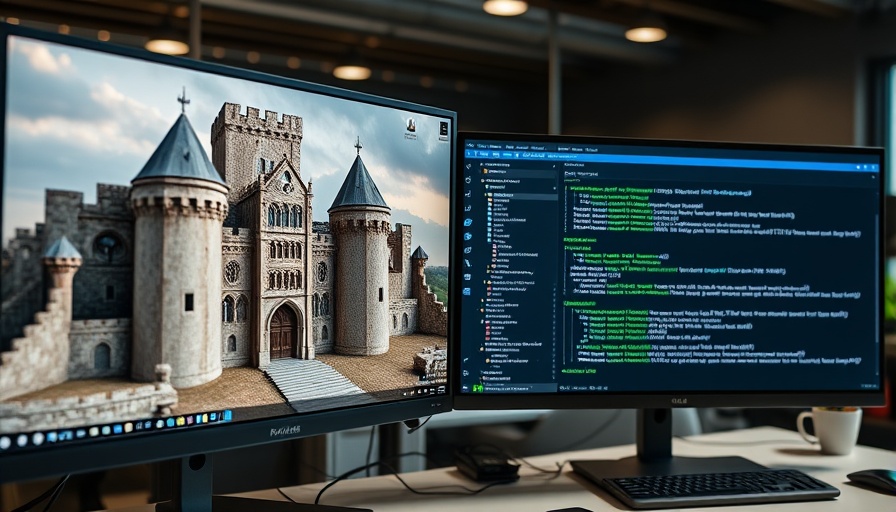
NVIDIA vGPU support demonstration with RealVNC Viewer showing 3D rendering and terminal.

Unlocking the Potential of NVIDIA’s Open-Source vGPU Support

NVIDIA recently took a significant step towards expanding its open-source contributions with the release of new Linux driver patches aimed at supporting virtual GPU (vGPU) technology. This development not only enhances the capabilities of virtualization but also opens up possibilities for AI enthusiasts, developers, and enterprises seeking powerful GPU performance for demanding workloads. Under the request for comments (RFC) flag, these patches indicate NVIDIA's commitment to upstream integration, optimizing the performance and flexibility of their GPUs for numerous applications.

What is NVIDIA vGPU?

The NVIDIA vGPU technology allows multiple virtual machines to share a single physical GPU, providing dedicated virtual GPUs that can deliver high-performance graphics as well as compute capabilities essential for today’s AI-driven applications. From data science to virtual workstations, vGPUs are designed for diverse workloads and support both Windows and Linux guest operating systems. Whether you’re an AI engineer using deep learning algorithms or merely an enthusiast testing graphics-rich applications, the NVIDIA vGPU technology stands to benefit your endeavors considerably.

Historical Context of NVIDIA's Open-Source Initiative

NVIDIA has a long-standing history of providing powerful GPU technologies. However, recent shifts in the tech landscape toward open-source solutions have prompted NVIDIA to realign its strategies. In May 2022, the company introduced its first open-source GPU kernel modules, marking a pivotal milestone in its approach to hardware and software interoperability. The ongoing work with vGPU solutions underlines this evolution, aiming for easier integration and broader community input while harnessing the full potential of modern AI workloads.

Future Trends in Virtualization and AI Computing

As virtualization technologies continue to evolve, the demand for optimized solutions that can scale seamlessly in cloud and enterprise environments is anticipated to skyrocket. With NVIDIA’s vGPU, coupled with cloud computing ergonomics, the efficiency of running AI workloads can quadruple, enabling businesses to harness AI at scale without the need for extensive physical infrastructure. This development reveals an exciting trend where businesses warranting powerful processing capabilities can utilize cloud resources effectively, which may ultimately democratize access to advanced AI tools.

Real-World Applications of NVIDIA vGPU

From enhancing gaming environments to powering data analytics workloads, NVIDIA's vGPU technology finds applications across various sectors. For IT departments, being able to allocate resources efficiently among several teams or applications can reduce costs and improve performance stability. According to NVIDIA, implementing vGPU can drive up to 70% efficiency improvements in workloads, making it a game-changer in industries from education to finance.

Expert Insights on the Implications of Open-Source Practices

Experts believe that NVIDIA’s transition towards open-source practices signifies a larger industry trend whereby tech companies are increasingly recognizing the value of community collaboration and transparency. By involving the open-source community, companies like NVIDIA can garner feedback that strengthens product offerings, enhances security protocols, and aligns development processes with user needs. This holistic approach can lead to innovations that propel industries forward, especially in fields dominated by AI and machine learning.

The world of AI and virtualization is growing rapidly. As NVIDIA continues to roll out development improvements, AI enthusiasts and developers should keep a close eye on these advances. The improved support for vGPU is likely to empower individuals and organizations to implement cutting-edge AI applications seamlessly.

Get Involved with NVIDIA's Innovations

If you’re eager to explore how the latest NVIDIA technologies can transform your operations, now’s the time to dive deeper. Engage with the community, experiment with the open-source patches, and leverage the powerful capabilities of NVIDIA vGPU in your projects. Collaborating in such innovations not only enhances personal expertise but contributes to a progressive technological environment that benefits all.

AI Stocks

1 Views

0 Comments

Write A Comment

*
*
Related Posts All Posts
10.31.2025

Nvidia's AI Chips to South Korea: A Game Changer for Innovation

Update Nvidia's Strategic Expansion into South Korea Nvidia, a leader in artificial intelligence and graphics processing technology, is set to make a significant move in South Korea by supplying 260,000 cutting-edge AI chips to major companies such as Samsung and Hyundai. This expansion not only reinforces Nvidia's position in the AI market but also serves as a strategic pivot in light of recent trade tensions affecting its operations in China. The Impact of AI on the South Korean Market The announcement comes at a time when AI technology is gaining traction across various sectors, including automotive, telecommunications, and manufacturing. South Korea, known for its robust technology ecosystem, stands to benefit greatly from these new AI capabilities. Nvidia's chips will be pivotal in enhancing the performance of generative AI models and powering advanced data centers. This collaboration is anticipated to bolster South Korea's ambitions in the AI domain, making it a more competitive player in the global market. Jensen Huang's Vision and Commitment Nvidia's CEO, Jensen Huang, has expressed his enthusiasm for deepening relationships with South Korean companies. During his visit, he conveyed that these partnerships are not just about business transactions but also about fostering innovation. He expressed hope for future collaborations that might even please international stakeholders like former President Trump, indicating the geopolitical significance of these deals. Future Predictions: What This Means for AI Enthusiasts As AI models continue to evolve, the demand for powerful GPUs is expected to surge. Analysts predict that Nvidia's strategic supply to Korean firms will lead to rapid advancements in AI technology and applications, particularly in industries such as automotive, where autonomous driving technologies rely on robust data processing capabilities. For AI enthusiasts, this is a promising development that signals a bright future for AI innovations fueled by strong partnerships and investment in technology. Counterarguments: Concerns About Market Dynamics While the prospects seem bright, the growing reliance on Nvidia's technology raises questions about market dynamics. Some industry experts fear that such dependencies could lead to monopolistic practices and stifle competition in the long run. As Nvidia solidifies its position, it is crucial for companies in South Korea to ensure they are fostering a competitive environment that encourages innovation through diverse technological collaborations. Practical Insights: How This Affects AI Investments For investors and stakeholders in AI, Nvidia’s growth in South Korea is a signal of a broader trend towards localized partnerships in tech. With investments pouring into AI capabilities, those considering entering or expanding in this sector should be aware of the advantages of aligning with reputable technology providers. Keeping an eye on Nvidia’s developments could offer valuable insights for future investment opportunities. Actionable Steps for AI Enthusiasts With anticipation building around Nvidia's new contracts, it’s a prime time for AI enthusiasts to engage with emerging trends and developments. By following Nvidia’s advancements and understanding how these chips are applied across various industries, enthusiasts can better prepare themselves for careers in a rapidly evolving technological landscape. Staying informed and adaptable will be essential in navigating the opportunities created by these advancements. As Nvidia continues to lead the charge in AI integration, stakeholders and enthusiasts alike are encouraged to learn more about the implications of these technologies for future innovations. Keep an eye on the developments as they unfold, and consider how you can position yourself to take advantage of the growing AI landscape.

10.31.2025

The UK Housing Market’s Continued Resilience Amid Complex Global Dynamics: Insights for AI Enthusiasts

Update The UK Housing Market Shows Unwavering Resilience in October 2025 In a dynamic economic landscape, the UK housing market has demonstrated surprising resilience in October 2025, defying expectations and maintaining upward price momentum amidst fluctuating consumer confidence and complex monetary policies. UK house prices have increased by approximately 3.5% in recent months, largely fueled by low unemployment rates and anticipated interest rate cuts from the Bank of England. This trend suggests a favorable environment for both current homeowners and potential investors. Nvidia's Business Moves Amid Housing Market Stability On the global front, Nvidia has been making headlines for striking significant business deals aimed at enhancing South Korea's capabilities in AI technology. This move also fosters strong connections between major corporate players, including Samsung and Hyundai, underscoring the intersection of real estate and technological advancements in shaping economic landscapes. The implications of such partnerships extend beyond mere corporate benefit; they point towards a future where AI developments could have a substantial impact on property markets and valuations. A Balancing Act: Economic Indicators and Property Value Trends While the Bank of England's monetary policies significantly influence the housing market, various other economic indicators contribute to property value trends. The recent spikes in the tech sector, particularly led by companies like Nvidia, highlight the relationship between technology and the broader economy. For AI enthusiasts, understanding how tech advancements influence financial markets and property values is crucial. The interplay of AI-driven innovations and housing demand could signal unique opportunities for investment strategies in these dual sectors. Impact of Political Climate on Tech and Housing Sectors Interestingly, the political climate, especially in the U.S., plays a critical role in shaping market expectations. Nvidia’s CEO mentioned that the fate of their products' availability in China hinges on decisions made by former President Trump, showcasing how political decisions can ripple through global supply chains, including housing markets. The potential for U.S.-China tensions to impact international trade and consequently, the housing market, is a vital consideration for potential investors looking at both technology and real estate sectors. Looking Ahead: What This Means for Investors For AI enthusiasts and investors alike, the current trends in both housing and technology present unique opportunities. Understanding the implications of economic policies, corporate partnerships, and geopolitical factors is essential. As Nvidia and similar companies continue to innovate, the synergy between emerging technologies and property markets could lead to innovative investment pathways, underscoring the importance of vigilance and adaptability in strategy formulation. Investors would do well to keep a keen eye on regional disparities, especially as tech-influenced areas begin to see higher demand in the property sector. To maximize these insights, it’s essential for individuals to conduct thorough research and perhaps re-evaluate their portfolios based on evolving economic conditions. For those looking to dive deeper into these dynamics and consider investments in both emerging technologies and stable property markets, ongoing education and engagement with the latest trends is crucial.

10.31.2025

Nvidia's Future Depends on Trump Decision Over Blackwell Chips in China

Update Nvidia's Ambitious Plans for Blackwell Chips in China Nvidia's CEO, Jensen Huang, is navigating a complex geopolitical landscape as he advocates for the sale of the company's latest Blackwell chips to China. During his recent visit to South Korea, Huang expressed optimism about the potential for these state-of-the-art AI chips to enter the Chinese market. However, he acknowledged that the final decision rests in the hands of U.S. President Donald Trump, a reality that underscores the intersection of technology and global politics. The Significance of U.S.-China Tensions The stakes are high, as the ongoing tensions between the U.S. and China over technology exports have given rise to significant challenges for companies like Nvidia. Currently, U.S. export controls limit access to advanced semiconductor technology, particularly those that could enhance China's military capabilities. This dynamic highlights the delicate balance between promoting innovation and addressing national security concerns. What’s at Stake for Nvidia? As a leader in AI technology, Nvidia's innovations are at the forefront of the digital revolution. The Blackwell chips are expected to boost AI processing power, making them invaluable in various industries, from healthcare to cloud computing. Therefore, gaining access to the Chinese market represents a considerable opportunity for Nvidia, which has continuously sought to expand its footprint internationally despite regulatory hurdles. Trump's Influence Over International Tech Trade President Trump's remarks following meetings with Chinese President Xi Jinping revealed that semiconductor discussions are ongoing, yet he specifically excluded Blackwell from potential sales discussions. This decision further illustrates how political leadership can significantly impact the tech industry and global supply chains, establishing a ripple effect for companies reliant on international markets. The Future of AI in Global Market Dynamics The implications of these developments point toward a future where AI technology and geopolitical dynamics are increasingly intertwined. Should Nvidia succeed in convincing the Trump administration to loosen restrictions, it could set a precedent for how similar tech companies navigate challenges posed by regulations. Conversely, the continued restrictions could hinder technological advancements in countries like China, eventually slowing the overall progress in global AI capabilities. Expert Insights: The Role of AI in Society Industry experts suggest that controlling the flow of AI technology might not only curb the technological ascent of rival nations but also impact the innovation landscape in the U.S. itself. Huang argues that China’s reliance on U.S. semiconductors could also be beneficial for America by fostering cooperation and interdependence rather than isolation and division. What Can We Expect Going Forward? As the conversations surrounding AI and international tech trade evolve, companies will need to adapt their strategies in response to both market demands and regulatory landscapes. Investors should watch closely as Nvidia continues to navigate this complicated terrain, particularly as the geopolitical climate shifts. The intersection of politics and technology will continue to shape not only the future of AI but also our societal landscape. In conclusion, while Nvidia's ambitions for selling Blackwell chips in China depend on U.S. political maneuvers, the larger narrative presents an opportunity for a discussion on the values of collaboration versus competition in technology. Understanding this context is crucial for AI enthusiasts eager to grasp the complexities shaping the future of artificial intelligence. As we track these developments, engaging in conversations about the implications of international tech trade can deepen our understanding of how AI shapes not only industry but also society. Let’s deliberate on how we can collectively respond to these changes.

Terms of Service

Privacy Policy

Core Modal Title

Sorry, no results found

You Might Find These Articles Interesting

T
Please Check Your Email
We Will Be Following Up Shortly
*
*
*