
Colorful favicon for AI Quick Bytes, a futuristic AI media site.
update
AI Quick Bytes
update
  • Home
  • Categories
    • AI News
    • Open AI
    • Forbes AI
    • Copilot
    • Grok 3
    • DeepSeek
    • Claude
    • Anthropic
    • AI Stocks
    • Nvidia
    • AI Mishmash
    • Agentic AI
    • Deep Reasoning AI
    • Latest AI News
    • Trending AI News
    • AI Superfeed
March 04.2025
3 Minutes Read

Nvidia RTX 5070 Launch Delay: What AI Enthusiasts Should Know

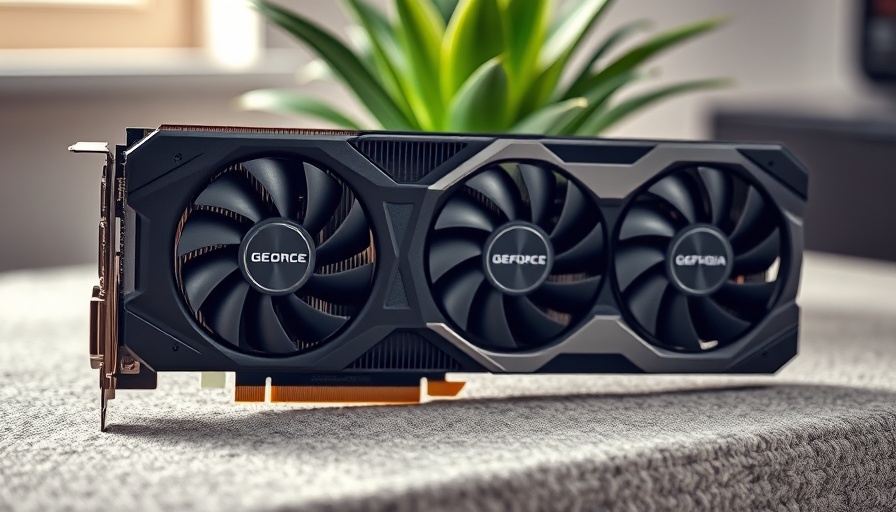
Nvidia GeForce RTX 5070 design highlighted amidst launch delay.

Nvidia's GeForce RTX 5070: An Unanticipated Delay

Nvidia's recent announcement has stirred mixed reactions in the tech community, particularly among gamers and AI enthusiasts eagerly awaiting the GeForce RTX 5070 Founders Edition. Originally slated for a February 28th launch, the release has been pushed back, with the release date now set for later in March. This postponement marks another chapter in what has been an already tumultuous launch season for Nvidia's 50-series graphics cards.

Understanding the Implications of the Delay

The delay of the RTX 5070 Founders Edition raises questions about quality control and supply chain issues that Nvidia is facing. As detailed in reports from both PCMag and The Verge, Nvidia has been grappling with rare manufacturing issues that have affected models like the RTX 5090 and 5070 Ti, where some came without sufficient render output units (ROPs). This is a troubling sign for a company that has historically prioritized performance and customer satisfaction.

Third-Party Options and ASPIRATIONS: What Gamers Can Do

For avid gamers and AI enthusiasts who cannot bear to wait for the Founders Edition, third-party manufacturers are stepping in to fill the gap. Starting from March 5th, brands like Asus, MSI, and Zotac will launch their own versions of the RTX 5070, all priced at the official MSRP of $549. This opens avenues for those who want to experience the power of Nvidia's latest offerings sooner rather than later. However, the competition may lead to price increases and markups in the coming weeks, making it essential for buyers to act swiftly.

Performance: Expectations vs. Reality

Another critical aspect to address is the performance claims surrounding the RTX 5070. Nvidia touted that this card would rival the performance of the significantly higher-priced RTX 4090. However, early reviews suggest that the 5070 may not deliver on these high expectations. This discrepancy has led to a more cautious approach among potential buyers who are evaluating other options in the market, especially with AMD planning to unveil the Radeon RX 9070 models shortly thereafter.

Looking Ahead: Future Trends in GPU Development

This delay could signify a larger trend in the GPU space where manufacturers might reconsider release typhoon strategies in favor of ramping up quality control measures to ensure customer satisfaction. AI enthusiasts particularly need to pay attention as the fate of graphics card performance has direct implications for AI development—particularly in fields relying on high graphics performance, like machine learning and simulation.

Conclusion: The Path Forward

As we await the official launch of the GeForce RTX 5070 Founders Edition, it’s crucial for enthusiasts to remain informed about the evolving landscape of GPU technology. Remember that as new products come to the market, both Nvidia and AMD embody the culmination of cutting-edge innovation. Diversifying knowledge about available options, pricing, and company track records will empower consumers to make informed decisions.

If you’re eager to upgrade your PC with the latest in graphics technology, now is the time to explore options that meet your needs and prepare for potential demand surges on launch day.

AI Stocks

2 Views

Write A Comment

*
*
Please complete the captcha to submit your comment.
Related Posts All Posts
05.24.2026

Stanley Druckenmiller Dumps Nvidia and Pursues These AI Infrastructure Stocks

Update Why Billionaire Investor Stanley Druckenmiller is Shifting to AI StocksIn the fast-evolving world of artificial intelligence, savvy investors are gravitating toward tech stocks primed to shape the future. One prominent name leading the charge is billionaire Stanley Druckenmiller, who recently made headlines with his significant shift in investment strategy, dumping Nvidia in favor of three AI infrastructure companies poised for explosive growth.Understanding the Strategic ShiftDruckenmiller's decision to unload Nvidia, a key player in the AI space, may initially seem counterintuitive given the company’s robust market presence. Nvidia has established itself as a leader in GPU technology, essential for AI processes. However, with saturating market dynamics, Druckenmiller’s foresight is indicative of a larger trend: the real beneficiaries of the AI boom may not be the most obvious names but rather those set to power the infrastructure behind AI advancements.AI Infrastructure: The Next Big OpportunityWith the ever-increasing demand for AI technology, the infrastructure that supports this innovation is crucial. Druckenmiller has strategically pivoted his portfolio towards companies that facilitate AI's broader capabilities—those involved in cloud computing, data center management, and software solutions that optimize AI performance. This diversified approach not only mitigates risk but also aligns with the growing need for sophisticated compute power.Analyzing the Performance of the Chosen StocksWhile specific names were not disclosed in Druckenmiller's strategy, industry insiders suggest options like Amazon, which dominates not only in cloud services but is also heavily investing in AI. Amazon’s robust architecture would allow it to efficiently handle AI workloads, thus positioning it as a frontrunner in the AI infrastructure race.Future Predictions: Where is AI Headed?Experts fear that as investments in AI infrastructure increase, the competition will intensify. Observers predict that companies focusing on AI tools, cloud services, and data management will experience substantial growth in market capitalization over the next few years. Furthermore, the importance of strategic partnerships will likely come to the forefront as companies collectively push the potential of AI technology.Learning from the Market DynamicsThis strategic shift by Druckenmiller also sheds light on how market dynamics have evolved over time, especially with the recent volatility. The adoption of AI technologies across different sectors is encouraging early investments in infrastructure, a trend not to be underestimated. Insightful investors can use lessons from Druckenmiller's playbook to identify ripe opportunities in tech.Potential Risks and ChallengesDespite the promising outlook for AI infrastructure investments, significant risks remain due to the competitive nature of the technology sector. Companies must continuously innovate or risk falling behind. The volatility of tech stocks is also a critical consideration, particularly with external market pressures and regulatory changes that may affect the AI landscape.Conclusion: A Forward-Looking PerspectiveStanley Druckenmiller’s move to focus on lesser-known AI infrastructure stocks serves as a reminder that the tech landscape is always evolving. With AI technologies expected to revolutionize various industries, identifying the right stocks that will benefit from this change is a crucial part of informed investment strategies for enthusiasts and professionals alike.If you’re intrigued about how these shifts could impact the future of AI investments, keep exploring potential opportunities in this rapidly changing space. Stay updated with the latest news and insights, and consider how you might align your investments accordingly going forward.

05.24.2026

How Uber and Nvidia’s Robotaxi Initiative is Reshaping Valuations in AI

Update Uber and Nvidia: Redefining the Autonomous Vehicle Landscape In a pivotal collaboration, Uber Technologies Inc. has joined forces with NVIDIA Corporation, sparking renewed interest in the potential of autonomous vehicles (AVs). This partnership aims to harness NVIDIA’s advanced AI technologies to enhance Uber’s autonomous services and valuation, paving the way for a future where robotaxis could dominate urban transportation. Leveraging Advanced AI Technology The strategic alliance between Uber and NVIDIA is particularly significant given the rapidly evolving landscape of self-driving technologies. By utilizing NVIDIA’s cutting-edge AI platforms, including the Drive AGX Hyperion 10 and the Drive OS, Uber intends to scale its autonomous driving capabilities. The Hyperion system serves as a comprehensive framework that equips vehicles with various sensors, including 14 cameras, nine radars, and LiDAR technology. This multi-sensor setup is critical for developing Level 4 autonomy, where vehicles can operate independently in specific environments but still have the ability for human oversight. As Uber CEO Dara Khosrowshahi stated, "NVIDIA is the backbone of the AI era," placing both companies at the forefront of automotive innovation. The Scope of the Project Under this collaboration, Uber and NVIDIA are set to launch what could become the largest network of Level 4-ready autonomous vehicles, targeting 100,000 vehicles by 2027. This ambitious goal positions Uber as a key player in the drive towards mass adoption of autonomous technologies. With growing competition from rivals like Waymo and Tesla, such a sizable fleet could not only elevate Uber's service offerings but also stimulate market dynamics in the AV sector. Comparing Strategies: Uber vs. Tesla Despite the significant push from both companies, their approaches to AV development differ markedly. Tesla is known for its independent path, focusing heavily on developing its own Full Self-Driving (FSD) technology. In contrast, Uber’s strategy leans on extensive partnerships, alleviating the pressures of R&D costs by leveraging existing technology from industry leaders. While Tesla prioritizes its in-house technology, central to its narrative is its commitment to a vision of fully autonomous vehicles that will eventually operate without human intervention—something that remains aspirational in its current offerings. Uber, however, embraces a holistic integration of technologies from various partners to enhance its operational efficiencies. Market Impact and Future Trends This partnership represents more than just a competitive collaboration; it signifies a nuanced shift in how AVs could redefine urban mobility. The integration of AI is set to amplify safety measures by utilizing synthetic data to predict and simulate real-world scenarios, thereby refining driving algorithms before vehicles reach public roads. As we look towards the future, the potential impacts are expansive. If successful, the partnership could usher in a transformative era for industries related to logistics, transportation, and public safety—which might rely increasingly on autonomous systems. The projected growth of the AV market is immense, with estimates suggesting significant increases in safety, efficiency, and cost-effectiveness over the coming years. Conclusion: Embracing the Autonomous Future For AI enthusiasts and technologists alike, the implications of the Uber-NVIDIA partnership extend beyond mere speculation; they reveal a burgeoning landscape ripe for innovation. Engaging with this evolving narrative is essential for understanding the intricacies of transport's future and how autonomous technology could reshape human mobility on a global scale. Now, as this story unfolds, staying informed and involved in discussions about these advancements will be pivotal. Whether through following recent developments, reading about new technologies, or participating in conversations within the community, the journey toward the autonomous future is one that promises to keep all of us engaged and informed.

05.24.2026

Nvidia's 2400% Dividend Increase: Should AI Enthusiasts Invest Now?

Update Nvidia's Remarkable Dividend Increase: A Game-Changer for Investors Nvidia is making headlines with a staggering 2,400% increase in its dividend, a move that has left both investors and analysts buzzing. This increase comes alongside impressive fiscal results that show the company is riding the wave of artificial intelligence (AI) boom, proving yet again why it is at the forefront of technology innovation. The Power of AI: Driving Nvidia's Growth As reported by several market analysts, Nvidia's revenue leaped to an astonishing $26 billion, a significant rise from $7.2 billion over the same quarter last year. This remarkable growth is largely attributed to the company’s strength in the data center business, which surged by 426% to $22.6 billion. Their CEO, Jensen Huang, asserted that AI is not just a trend but a seismic shift in industrial capability, positioning Nvidia as a vital player in this emerging landscape. Market Implications: What This Dividend Increase Means The decision to increase dividends drastically serves multiple purposes. It rewards existing shareholders while attracting new investors who view dividend stocks as stable, income-generating investments. Such a substantial hike in dividends indicates strong confidence in future earnings, suggesting that Nvidia is not just a short-term growth stock but a long-term investment option. Industry Perspective: Wall Street's Take on Nvidia Analysts are overwhelmingly bullish about Nvidia’s future. The consensus recommendation for Nvidia stock (NVDA) is a solid “Strong Buy” with significant upside potential—analysts predict a target price of approximately $1,152.57, which translates to an 11% gain from current levels. Financial service firm Wedbush echoes this optimism with a target price of $1,200 and emphasizes sustained demand for Nvidia's innovative products like the H200 and Blackwell AI chips. The Shift Towards AI: What Investors Should Consider The ongoing revolution in AI is a critical factor for investors to consider. As industries search for efficiency and productivity, Nvidia is positioned to benefit from the transition of traditional data centers to 'AI factories.' This fundamental shift suggests a lucrative trend that may sustain Nvidia's growth trajectory for years to come. Conclusion: Is Now the Time to Invest in Nvidia? For AI enthusiasts and investors alike, the recent developments surrounding Nvidia reflect just how pivotal this company has become within the tech sector. With a strategic focus on AI, impressive financial results, and a transformative dividend increase, it’s hard to ignore the potential Nvidia presents. Investors should weigh their options carefully—further detailed research into Nvidia’s product developments and market trends can illuminate the strategies at play for exploiting the booming AI market. To delve deeper into Nvidia's AI growth stock story and explore its implications on your investment strategy, consider staying updated on financial developments within this rapidly evolving sector.

Terms of Service

Privacy Policy

Core Modal Title

Sorry, no results found

You Might Find These Articles Interesting

T
Please Check Your Email
We Will Be Following Up Shortly
*
*
*